Design Patterns: Learn the Problem, Not the Pattern
Understanding and utilizing design patterns is an important skill for writing software that is easier to maintain, extend, and reason about. Design patterns provide proven approaches to common problems and give developers a shared vocabulary for discussing software design.
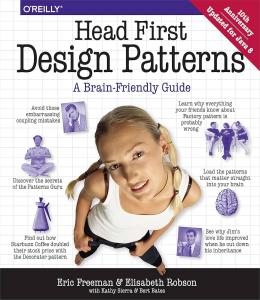
There are plenty of great resources for learning design patterns. I particularly recommend Head First Design Patterns (Amazon link). It does a great job of explaining not just what a pattern looks like, but why you might want to use it in the first place.
However, simply trying to memorize a list of patterns and their definitions is difficult and ineffective. A more useful approach is to remember the kinds of problems each pattern is intended to solve.
Instead of asking, "Which design pattern should I use?", start by asking: "What problem am I trying to solve?"
Think Problem → Pattern
Here are some common problems and patterns worth considering:
I have multiple interchangeable ways of doing something
→ Strategy
Something changes and multiple objects need to know about it
→ Observer
I need to create objects without tightly coupling my code to their concrete types
→ Factory
Creating an object involves many steps or configuration options
→ Builder
I want to add behavior without modifying the original object
Two interfaces don't work together
→ Adapter
A complicated subsystem could use a simpler interface
→ Facade
An object's behavior changes depending on its current state
→ State
I want to represent an action as an object
→ Command
I have a hierarchy of objects that I want to treat uniformly
Recognize the Problem First
These aren't rules, and recognizing one of these problems doesn't mean you should automatically reach for the corresponding pattern.
The important part is to recognize the design problem first, and then know that a particular pattern might be a useful solution.
For example, imagine a notification system:
if (type === "email") {
    // send email
} else if (type === "sms") {
    // send SMS
} else if (type === "push") {
    // send push notification
}
Rather than immediately thinking, "This should use the Strategy pattern," first recognize what's happening: there are multiple ways of performing the same operation, and those implementations may need to change independently.
That's the problem Strategy is designed to address.
Don't Force It
This approach also helps avoid another common mistake: using patterns simply because you know them.
A couple of straightforward if statements may be perfectly reasonable. Introducing several interfaces and classes just to eliminate them can make the code more complicated, not less.
The goal isn't to use as many design patterns as possible. The goal is to recognize recurring design problems and understand the tradeoffs of the solutions available to you.
The Takeaway
For me, thinking about patterns this way makes them much easier to learn. I don't have to memorize a catalog of names and definitions. I can start with the problem, recognize the pattern that might apply, and then look up the details when I need them.
Learn the problem first. The pattern name can come afterward.